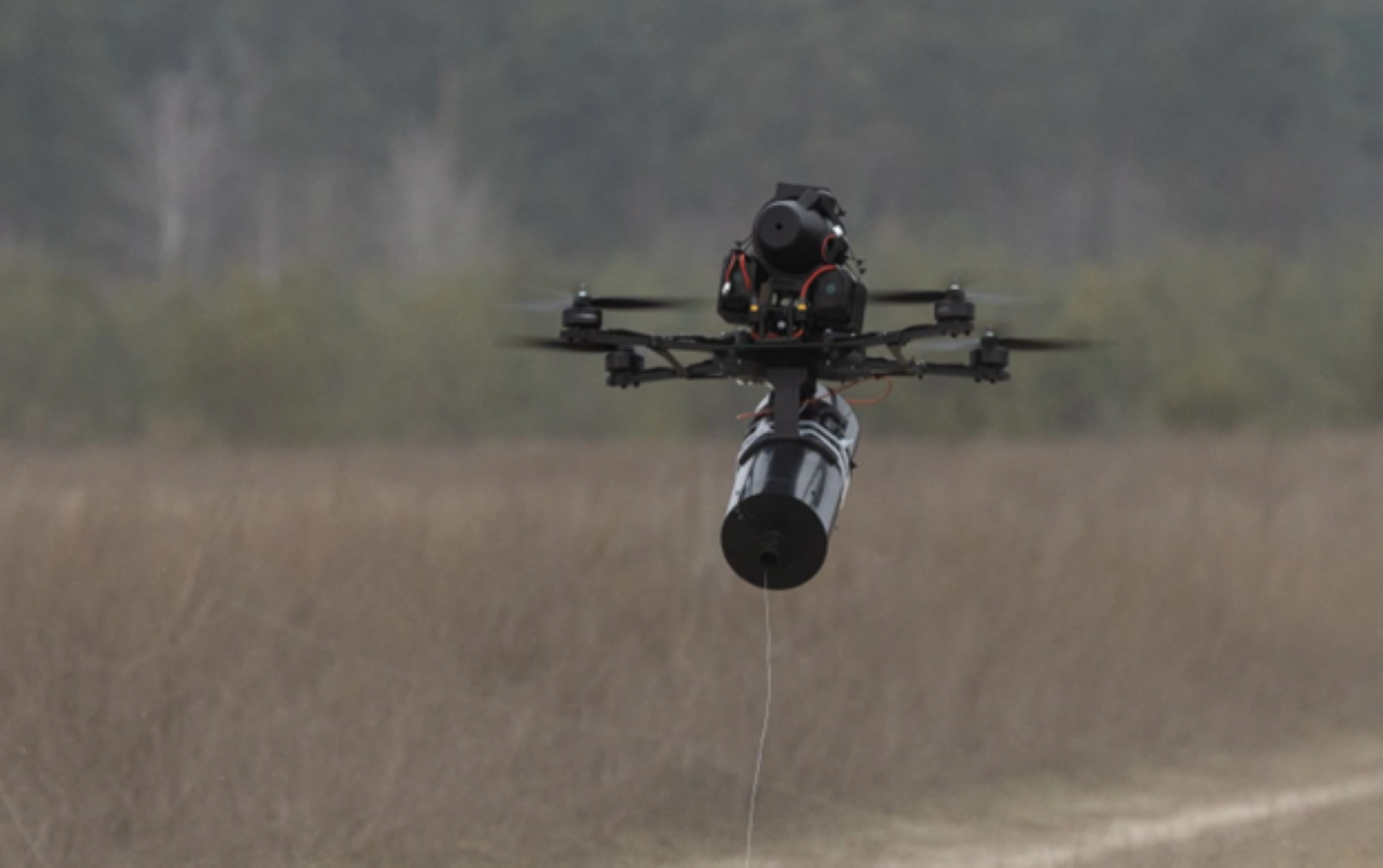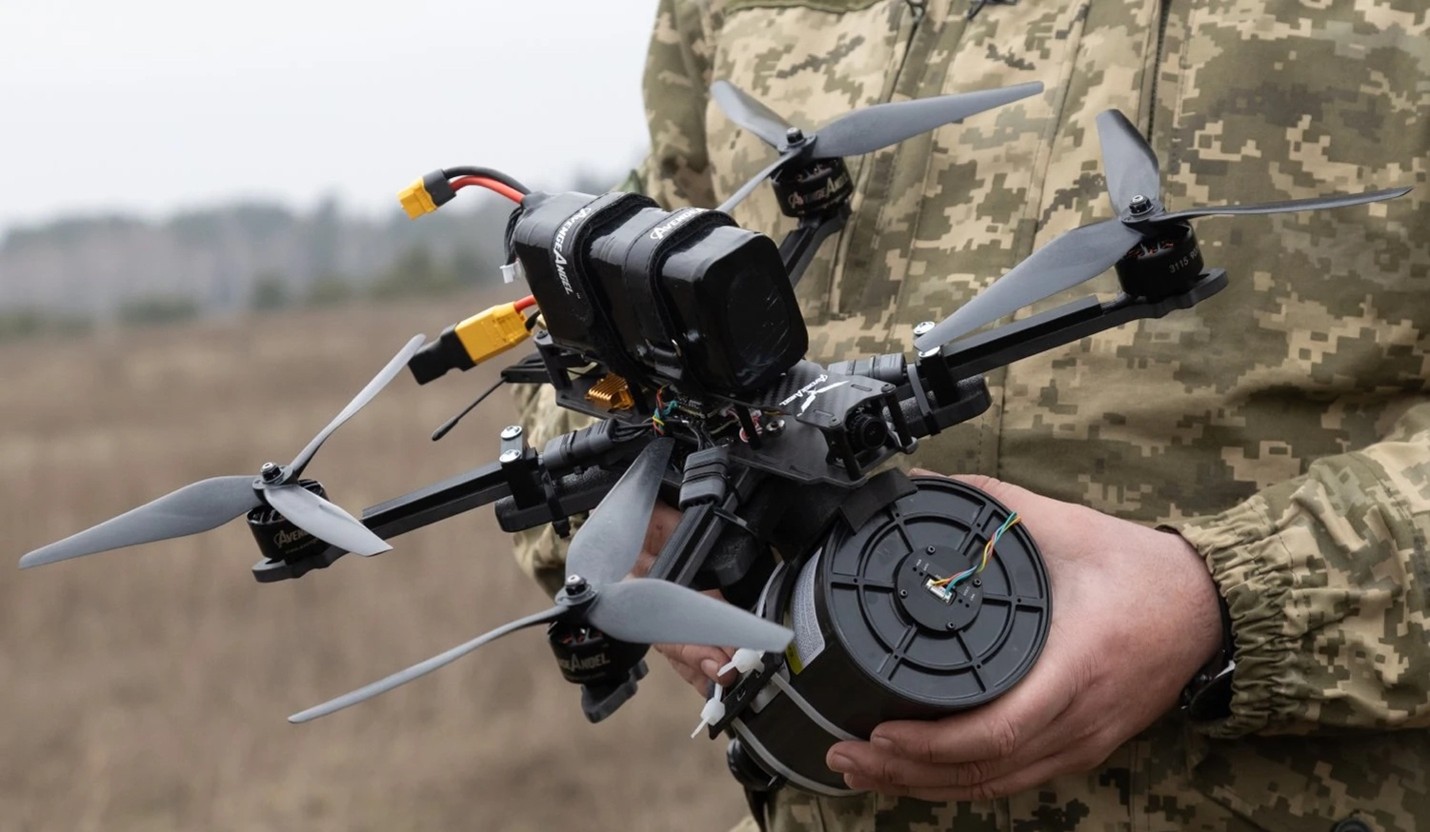
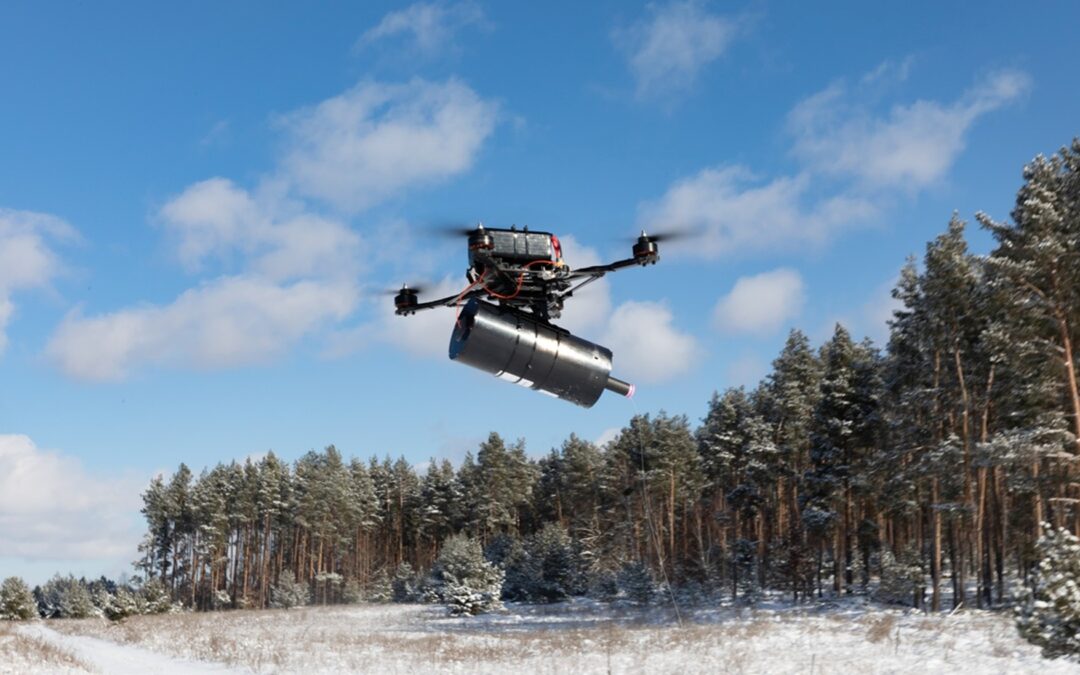
Fiber optic drones represent a revolutionary shift in warfare, primarily in the Russia-Ukraine conflict, by using a thin cable (fiber optic) to transmit video and command signals, making them completely immune to electronic warfare (EW) jamming. These Unmanned Aerial Vehicles (UAVs) operate at ranges of 10–60km with and are used for secure, high-definition reconnaissance and strikes.
Key Advantages:
- Jam-Proof: Unaffected by electronic interference.
- High-Res Video: Enables clearer, real-time video transmission than radio signals.
- Covertness: Undetectable to conventional RF-based drone detection systems.
Operational Limitations & Challenges:
- Cable Snagging: Prone to tangling in trees or urban debris, causing crashes.
- Limited Maneuverability: Difficult to make sharp turns due to the trailing cable.
- Weight & Speed: Added weight of the fiber spool reduces range, speed, and payload (MTOM).
- Physical Vulnerability: Can be destroyed by small arms fire, and in some cases the operator can be tracked by following the cable back to the ground control station.
- Environmental Impact: Leaves significant amounts of fiber optic cable behind in the operational area.
Future Development:
The technology is rapidly evolving, with reports of “repeater” drones that carry fiber for other strike drones to extend range. While not replacing radio-controlled drones, they are becoming a key tactical tool for penetrating high-EW/GNSS denied environments.